
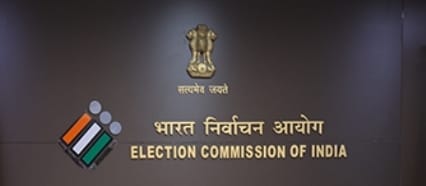
EC to Take Call on Pan-India SIR Rollout Soon; Likely to Be Held Before Year-End
By TIN24 Editor Amit Alhat
NEW DELHI, September 10, 2025 – In a significant move to strengthen the integrity of India’s electoral process ahead of multiple state assembly elections, the Election Commission of India (ECI) is gearing up to finalize the timeline for a nationwide Special Intensive Revision (SIR) of voter rolls. Officials revealed on Wednesday that the decision on the rollout date for this pan-India exercise is expected imminently, with the cleanup drive potentially commencing before the close of 2025.
The announcement follows an intensive day-long deliberation in New Delhi involving the ECI’s state chief electoral officers (CEOs). Sources close to the commission indicated that the SIR, aimed at purifying electoral rolls by adding genuine voters and weeding out duplicates or ineligible entries, could be launched as early as the coming months of 2025. This proactive step is particularly timely, given the schedule of at least five assembly polls slated for next year in states such as Bihar, Tamil Nadu, Kerala, West Bengal, and Assam, where accurate voter lists will be crucial for fair and transparent elections.
Meeting Highlights: Focus on Inclusive and Accurate Voter Rolls
The high-level meeting, chaired by ECI officials, brought together CEOs from across the country’s 28 states and eight union territories to strategize on the implementation of the SIR. Participants emphasized the need for a robust verification mechanism to ensure that every eligible citizen is enrolled without exception, while simultaneously preventing the inclusion of ineligible individuals, such as duplicates, deceased persons, or non-residents.
During the discussions, the CEOs proposed a comprehensive list of supporting documents to streamline the verification process. These include Aadhaar cards, voter ID proofs, ration cards, and utility bills, among others, to authenticate identities and addresses. “The goal is to make the electoral roll a true reflection of the electorate—neither too bloated nor too restrictive,” one senior official remarked, highlighting the commission’s commitment to digital integration for faster processing.
The SIR exercise, which was last conducted on a nationwide scale in 2003, involves door-to-door surveys, claims and objections periods, and appeals processes. It is distinct from the routine annual revisions and is typically invoked ahead of major elections to address discrepancies that may have accumulated over time. With India’s voter base exceeding 96 crore as per the latest figures, even minor inaccuracies can impact the democratic fabric.
Why Now? Assembly Polls and Electoral Integrity in Spotlight
The urgency for the pan-India SIR stems from the impending assembly elections in 2026, which will see heightened political activity and scrutiny. Officials noted that preliminary data from recent state-level revisions has already identified millions of potential deletions and additions, underscoring the need for a synchronized national effort. “With technology evolving, we’re looking at leveraging apps and online portals for public participation, making it easier for citizens to update their details,” an ECI spokesperson added.
This initiative aligns with the ECI’s broader ‘Viksit Bharat’ vision for a modernized electoral system, incorporating features like electronic voter slips and enhanced booth-level management. However, challenges such as migration, urbanization, and varying literacy rates across states remain hurdles that the SIR aims to tackle head-on. Recent trials in Bihar, where the SIR was rolled out just days ago, have provided valuable insights, with the ECI now planning a simultaneous nationwide push to avoid staggered implementations that could lead to inconsistencies.
Historical Context: Lessons from Past Revisions
The Special Intensive Revision has a storied history in India’s electoral framework. The last pan-India SIR in 2003-2004 helped purge over 3 crore bogus entries and added nearly 5 crore new voters, significantly enhancing the rolls’ accuracy before the 2004 Lok Sabha polls. Subsequent targeted SIRs in states like Andhra Pradesh (2018) and Maharashtra (2019) demonstrated the exercise’s effectiveness in curbing electoral fraud, but a nationwide effort has been overdue amid rapid demographic shifts. Experts believe the 2025 rollout could mirror these successes, potentially updating rolls for over 100 million voters affected by migration or relocation.
Concerns and Criticisms: Balancing Cleanup with Inclusion
While the ECI’s move has been praised for bolstering electoral hygiene, it has not been without controversy. Opposition parties, including the Congress and regional outfits, have raised alarms that the SIR could inadvertently disenfranchise genuine voters, particularly migrants and marginalized groups. “Crores of eligible voters might be left out if the process is rushed,” claimed a senior opposition leader, echoing fears from the recent Bihar exercise where scrutiny over migrant deletions drew widespread criticism .
Civil society organizations like the Association for Democratic Reforms (ADR) have called for safeguards, such as extended timelines for claims and objections, and special provisions for transgender and nomadic communities. The ECI has assured that the process will include widespread awareness drives and helplines to mitigate such risks, with a focus on door-to-door verification to reach remote areas.
The SIR Process: Step-by-Step Breakdown
For the uninitiated, the pan-India SIR will unfold in phases:
Draft Publication: Electoral rolls will be published state-wise, allowing citizens to check and file claims for additions, deletions, or corrections via the Voter Helpline app or local booths.
Verification Drive: Booth-level officers (BLOs) will conduct house-to-house checks, verifying documents and updating records in real-time using digital tools.
Claims and Objections Period: A 15-30 day window for public scrutiny, followed by hearings on disputes.
Final Roll Publication: The revised rolls will be frozen ahead of any polls, ensuring a clean slate.
The ECI estimates the entire process could take 3-4 months, with training for over 10 lakh BLOs already underway.
Expert Views and Future Implications
Election analysts view the SIR as a timely intervention in an era of deepening political polarization. “A accurate voter list is the first line of defense against misinformation and booth capturing,” opined Dr. Rahul Verma, a political scientist at the Centre for Policy Research. With the 2029 Lok Sabha elections on the horizon, this revision could set a precedent for tech-driven electoral reforms, including AI-assisted duplicate detection.
The ECI is expected to issue a formal notification on the SIR timeline within the next few weeks, following internal consultations. In the interim, state CEOs have been directed to prepare ground-level teams and awareness campaigns to educate voters on the revision process.
As India approaches a pivotal electoral cycle, the pan-India SIR rollout signals the commission’s resolve to uphold the sanctity of the ballot box, ensuring that every vote counts in the world’s largest democracy.
TIN24 is a leading digital news platform covering politics, elections, and governance in India.

Author: The India News 24
TIN24 (The India News 24) The India News 24 (TIN24) is a Mumbai-based news Digital Media focusing on breaking news, local and regional issues in India, with content primarily in Marathi. It was established with an X (Twitter) presence since July 2022. Owner & News Editor: Amit Alhat Education: BA in Mass Communication Journalism (Graduate) Experience: 12 years in journalism Platforms: - Website: https://theindianews24.in - X (Twitter): https://x.com/the_indianews24 - YouTube: https://www.youtube.com/@theindianews247 - Instagram: https://www.instagram.com/theindianews_24

